


Structured Cabling
A structured cabling system is a comprehensive telecommunications infrastructure made up of cables and associated hardware to support services like telephone and data transmission. This system is designed to be device-independent, providing flexibility across different technologies. It starts at the service provider’s termination point, known as the demarcation point or Network Interface Device (NID).
Each structured cabling system is unique, influenced by various factors such as:
- Cable and connection products
- Cabling installation functions
- Equipment the cabling will support (current and future)
- System configuration (upgrades and retrofits)
- Customer requirements
- Manufacturer warranties
- Building architecture
A structured cabling system is a comprehensive telecommunications infrastructure made up of cables and associated hardware to support services like telephone and data transmission. This system is designed to be device-independent, providing flexibility across different technologies. It starts at the service provider’s termination point, known as the demarcation point or Network Interface Device (NID).
Each structured cabling system is unique, influenced by various factors such as:
- Cable and connection products
- Cabling installation functions
- Equipment the cabling will support (current and future)
- System configuration (upgrades and retrofits)
- Customer requirements
- Manufacturer warranties
- Building architecture
The cabling industry follows ANSI and TIA/EIA standards to ensure quality and uniformity. These standards cover:
- Design, installation, and maintenance guidelines
- Consistency in system design and installation
- Compliance with physical and transmission line requirements
- Uniform documentation
- A foundation for system expansion and upgrades
Key components of a structured cabling system include:
- Entrance Facilities: The point where external service connections enter the building, including service entrance pathways and protection devices.
- Backbone Pathways: Vertical and horizontal cabling connecting telecommunications closets, equipment rooms, and other network facilities.
- Work Area Outlets: Points where users connect to the network.
- Telecommunications Closets: Storage areas for network hardware and connections.
- Cross-Connect Facilities: Where different cabling sections are connected for system continuity.
Backbone cabling connects network components across different floors or buildings. Types of backbone cabling include:
- Interbuilding Backbone Cabling: Handles traffic between buildings.
- Intrabuilding Backbone Cabling: Handles traffic within a single building.
Backbone cabling includes:
- Cable Pathways: Shafts, conduits, raceways, and penetrations that route cables.
- Cabling Types: Optical fiber, twisted-pair copper, coaxial copper.
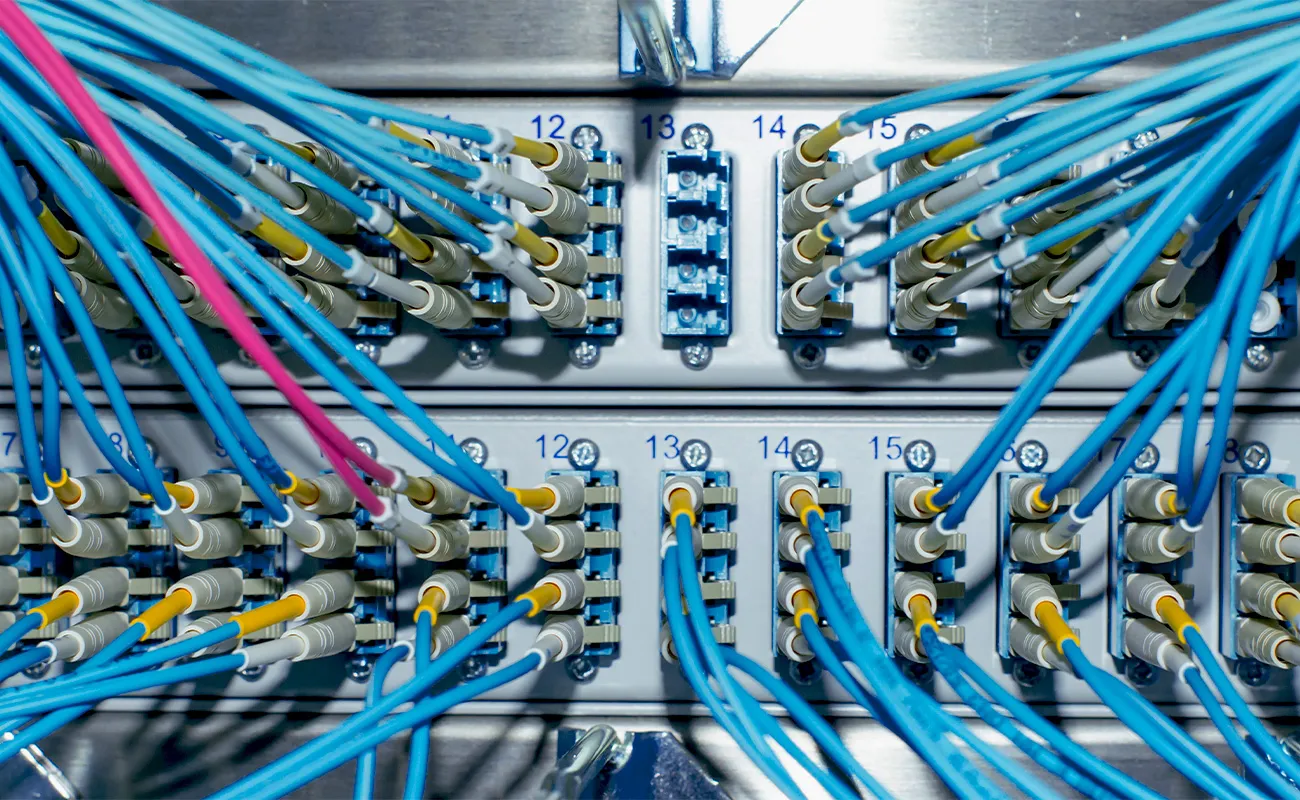
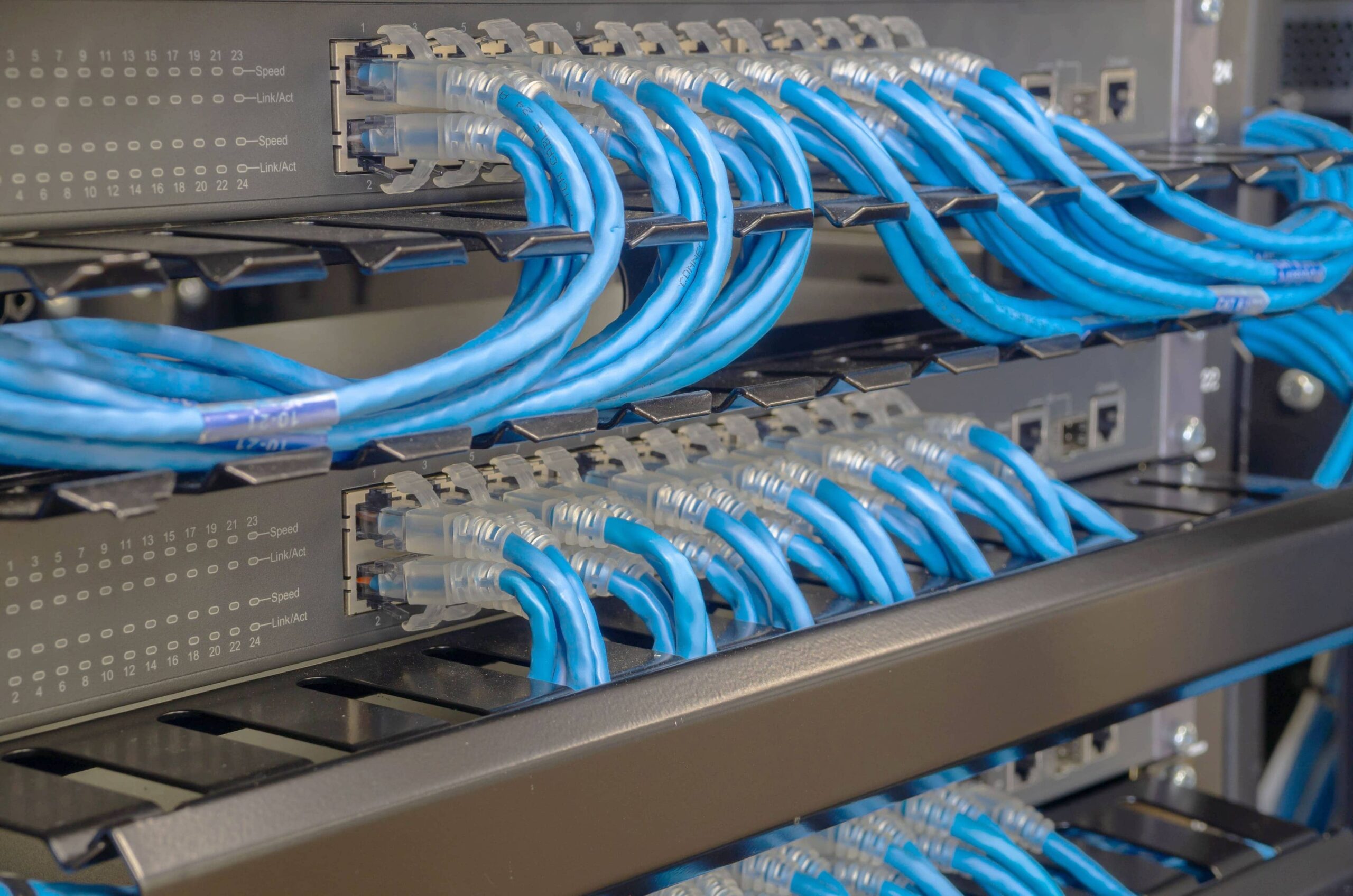
- Connecting Hardware: Patch panels, connectors, and cross-connects.
- Support Facilities: Cable support hardware, firestopping, and grounding.
Connectors are essential for ensuring reliable network performance by:
- Allowing efficient data transfer between cables and equipment.
- Withstanding hundreds of insertion and withdrawal cycles.
- Minimizing signal loss and maintaining long-term system integrity.
These components, when combined, form a structured cabling system that supports modern telecommunications networks.